Category: Workspace Design

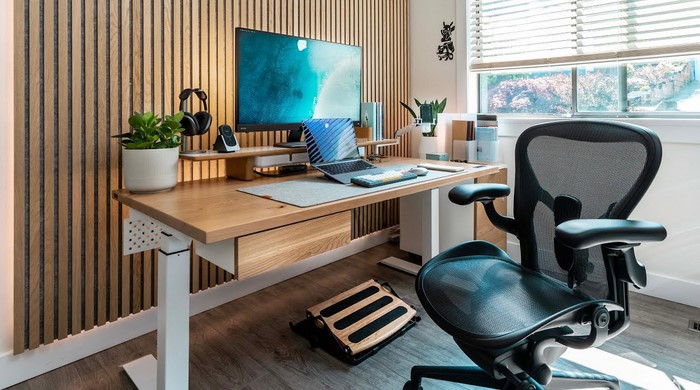
Modern Home Office Setups: Design the Perfect Workspace

Source:https://i.ytimg.com

In today’s fast-paced, digital world, more and more professionals are choosing to work from home. Whether you’re a freelancer, entrepreneur, or remote employee, creating the right environment can significantly impact your productivity and well-being. Modern home office setups are not just about having a desk and a computer; they are about designing a functional, inspiring, and comfortable workspace that supports your work style. In this article, we’ll discuss the key elements to consider when designing the perfect modern home office setup and how you can create a space that fosters creativity and efficiency.

1. Key Elements of a Modern Home Office Setup

A modern home office setup should be more than just a place to work; it should be a space where you feel motivated and focused. The design of your office can have a profound impact on your mood, energy, and productivity. Here are some of the key elements that contribute to a functional and aesthetically pleasing home office:

1.1. Ergonomic Furniture

One of the most important aspects of any home office setup is ergonomics. Working long hours at a desk can take a toll on your body, leading to discomfort and even chronic pain. Choosing ergonomic furniture is essential to maintaining a healthy posture and preventing strain on your back, neck, and wrists.

  • Ergonomic Desk Chair: Invest in a high-quality office chair that provides proper lumbar support, adjustable armrests, and a comfortable seat. Look for chairs designed to support the natural curve of your spine and help alleviate pressure points.
  • Adjustable Standing Desk: Many modern home office setups incorporate standing desks that allow you to alternate between sitting and standing throughout the day. This can help reduce back pain and increase energy levels by encouraging movement.

1.2. Tech Integration

Modern home offices rely heavily on technology, so it’s essential to create a setup that integrates your devices seamlessly. Whether you’re video conferencing, managing multiple tasks, or simply browsing the web, having the right tech tools can significantly enhance your workflow.

  • High-Quality Monitor: Instead of working on a small laptop screen, opt for a larger monitor to give you more screen real estate. Consider a 24- or 27-inch screen, and if you need extra productivity, consider dual-monitor setups to make multitasking easier.
  • Wireless Keyboard and Mouse: To reduce clutter, invest in a wireless keyboard and mouse. This will give you a cleaner workspace and allow you to arrange your desk more flexibly.
  • Cable Management: A modern home office should be neat and tidy, and that includes minimizing the visual clutter of cables. Use cable organizers or clips to keep your cables out of sight and prevent tangling.

1.3. Lighting

Proper lighting is crucial for both your productivity and health. Natural light is ideal for creating an energetic and positive atmosphere, but if that’s not possible, it’s important to use a combination of task and ambient lighting.

  • Natural Light: If possible, place your desk near a window to take advantage of natural light. Not only does it reduce eye strain, but exposure to natural light can boost your mood and improve focus.
  • Task Lighting: Desk lamps with adjustable brightness levels are great for providing focused light on your workspace without creating glare on screens. Opt for lamps with soft, warm light to create a comfortable environment.
  • Ambient Lighting: To set the right tone, use soft overhead lighting or additional floor lamps to provide ambient light throughout the room. Avoid harsh, direct light, which can cause eye fatigue and make the room feel cold or sterile.

2. Optimizing Your Home Office Layout

Once you’ve selected your furniture and tech, it’s time to focus on the layout. The design of your space plays a critical role in how efficiently you can work, and the right layout will help create a more pleasant and productive environment. Here are some tips for optimizing your home office layout:

2.1. Maximize Available Space

The size and shape of your office will influence the layout, but there are ways to make even a small space work. If you have a limited area to work with, consider using wall-mounted shelves and floating desks to save floor space. In smaller offices, it’s also essential to keep things simple and organized to avoid overwhelming the space with unnecessary furniture.

  • Use Vertical Space: If your office is small, consider using vertical space for storage. Wall-mounted shelves, pegboards, and floating cabinets can help keep your workspace free of clutter while providing plenty of storage for office supplies and books.
  • Multifunctional Furniture: In small spaces, multifunctional furniture is key. Look for desks with built-in storage or shelving units that can help you save space while still providing everything you need for your work.

2.2. The Desk Placement

Your desk is the centerpiece of your modern home office setup, and how you position it can impact the flow of the space. Ideally, place your desk in a way that allows for easy access to everything you need without feeling cramped.

  • Facing the Room: A desk placed facing the room creates an open and inviting atmosphere. This arrangement encourages a sense of control and helps keep distractions at bay.
  • Avoid Facing a Wall: If possible, avoid placing your desk directly against a wall. Having a view of the room, or even better, the outdoors, can make you feel more inspired and less confined.

2.3. Create a Productive Workflow

The layout of your desk and surrounding space should support a smooth workflow. Keep frequently used items within arm’s reach, and organize your desk to promote efficiency. Use drawer organizers, file holders, or desktop organizers to keep everything you need within easy reach.

  • Zoning Your Office: If your home office is large enough, consider creating different zones within the space. For example, you could have a dedicated workspace for your desk, a separate reading nook for brainstorming, and a shelving area for books and files.
  • Declutter Regularly: A clutter-free desk leads to a clutter-free mind. Keep only the essential items on your desk, and regularly clean your workspace to maintain an organized and focused environment.

3. Adding Personal Touches to Your Home Office

While functionality is key, your modern home office setup should also reflect your personality. Adding personal touches can create a space where you enjoy spending time, ultimately increasing your motivation and productivity. Here are some ways to add personality and warmth to your home office:

3.1. Art and Decor

A few carefully chosen pieces of artwork or decorative items can help make your office feel more inviting. Consider adding framed artwork, inspirational quotes, or custom designs that reflect your personal style and values.

  • Inspiring Artwork: Choose artwork that inspires you and fits with the overall aesthetic of your office. Whether it’s a calming landscape or an abstract piece, make sure it brings a sense of tranquility and motivation to your workspace.

3.2. Houseplants

Adding greenery to your home office can not only improve air quality but also boost mood and creativity. Low-maintenance plants like succulents, snake plants, or pothos are perfect for modern home office setups. Place them on your desk, windowsill, or shelves for a touch of nature.

3.3. Personal Accessories

Personalize your workspace with items that make you feel comfortable and inspired. This could include a favorite mug, a cozy blanket, a stylish pen holder, or a decorative clock. These small items help create a space that feels like your own.

Designing the perfect modern home office setup is about balancing functionality, comfort, and aesthetics to create a workspace that fosters productivity and creativity. By investing in ergonomic furniture, integrating modern tech, optimizing your layout, and adding personal touches, you can design a home office that works for your specific needs. Whether you’re working from home full-time or just need a space for occasional tasks, a well-organized, thoughtfully designed home office will not only improve your work performance but also make the time you spend there more enjoyable.
Portable Home Office Furniture for Flexible Workspaces

Source:https://assets-blog.s3.amazonaws.com

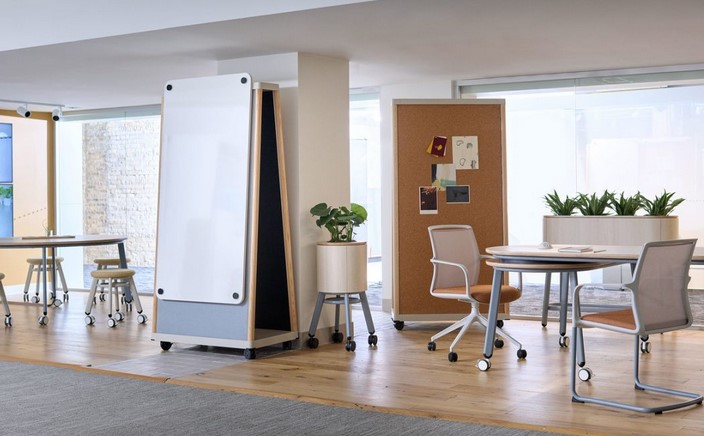
The shift to remote work and hybrid work models has transformed how we view office spaces at home. As more individuals opt for flexibility in their work environment, the demand for portable home office furniture has surged. Portable furniture is designed to offer functionality and mobility, allowing homeowners to adapt their workspaces as needed—whether you’re working from the kitchen, living room, or a dedicated home office. This type of furniture is especially beneficial for those with limited space or who require the option to create a productive workspace in multiple locations around the home. In this article, we will explore the advantages of portable home office furniture, different options available, and how to make the most of this furniture in your home for a more flexible, efficient work environment.

Why Portable Home Office Furniture?

1. Adaptability to Changing Needs

One of the primary advantages of portable home office furniture is its versatility. Whether you live in a small apartment, a spacious home, or a shared space, the ability to create a functional work environment wherever you need it is invaluable. Portable furniture allows you to move your desk or workstation from one room to another with ease, giving you the option to change your surroundings for a fresh perspective or to accommodate family needs. For instance, if you have children, you can work from the kitchen during the day and move to a quieter room in the evening.

This adaptability is particularly useful for those who work from home on a part-time or full-time basis but don’t want to be tied to a single room for their work. It’s also beneficial for people who live in homes where office space is limited or non-existent. A portable desk, chair, or storage unit can be tucked away when not in use, allowing your home to remain functional and clutter-free.

2. Maximizing Small Spaces

For people living in small apartments or homes where space is at a premium, portability is a game-changer. Traditional office furniture can take up a lot of room and become an obstacle in tight quarters. Portable home office furniture, however, is designed with space-saving features that allow it to be used when necessary and easily stored away when not in use. Compact desks that fold away, stackable chairs, and mobile storage units can be easily moved and adjusted according to your needs. This allows you to keep your home organized without sacrificing comfort or productivity.

Moreover, if your home office needs to double as a guest room, dining room, or study area, portable furniture allows you to create a workspace when required without permanently dedicating a room to office functions. It’s the perfect solution for multi-purpose spaces.

3. Promoting Ergonomics and Comfort

Another important benefit of portable home office furniture is the ability to maintain an ergonomic workspace, even in environments not initially designed for work. For example, portable chairs with adjustable heights, desks that can be raised or lowered, or standing desk converters can help you maintain good posture and avoid discomfort. These ergonomic solutions are especially important for people who work long hours from home and need to ensure their workspace is not only functional but also comfortable and supportive for their health.

The ability to tailor your workspace based on personal comfort needs—whether you prefer sitting or standing while working, or need additional lumbar support—adds an element of personalization to your home office. By selecting portable furniture that meets these criteria, you can design a workspace that encourages both productivity and well-being.

Types of Portable Home Office Furniture

1. Foldable Desks

Foldable desks are a practical solution for individuals who need to create a temporary workspace. These desks can be easily folded and stored when not in use, making them ideal for small living spaces. Many foldable desks are lightweight, making them easy to move and set up anywhere in the house, whether it’s in the living room, bedroom, or even on a balcony or patio.

Some foldable desks come with additional features such as built-in shelves or storage compartments, allowing you to keep your essentials organized while saving space. These desks can also be adjusted for height, making them suitable for sitting or standing positions.

  • Pros: Compact, easy to store, portable, adjustable height
  • Cons: May have limited workspace, less sturdy than traditional desks

Foldable desks are perfect for individuals who only need a temporary office setup or who live in a space where a permanent desk is not feasible.

2. Portable Office Chairs

Comfortable seating is crucial for productivity, and portable office chairs can offer this without the bulk of traditional office furniture. Many portable chairs come with adjustable height features, armrests, and lumbar support, ensuring you have the right amount of comfort for long working hours.

Lightweight and stackable chairs make it easy to move them between rooms or fold them away when not in use. Some options even come with wheels, allowing you to roll around your workspace for added convenience. For those who prefer a standing desk setup, there are also portable ergonomic stools that support proper posture and can be easily adjusted.

  • Pros: Adjustable, portable, ergonomic
  • Cons: May not be as comfortable as traditional office chairs for extended hours of sitting

Portable office chairs are an excellent solution for those who need flexibility but don’t want to compromise on comfort and support.

3. Mobile Storage Units

Another critical component of a portable home office is storage. Mobile storage units, such as rolling file cabinets, mobile bookshelves, and storage carts, can help you keep your workspace organized while allowing for easy mobility. These units typically come on wheels, making it easy to move them between rooms or tuck them away in closets when not needed.

Many mobile storage options feature multiple compartments, which can be used to store paperwork, office supplies, and even tech accessories. This ensures that you have everything you need for a productive workday, while also helping you keep your workspace clutter-free.

  • Pros: Easy to move, versatile, space-efficient
  • Cons: May not offer as much storage as larger, stationary units

Mobile storage units allow you to maintain an organized and efficient workspace, regardless of where you set up.

4. Standing Desk Converters

Standing desk converters are a popular choice for people who prefer alternating between sitting and standing while working. These portable units sit on top of an existing desk and can be raised or lowered to allow for a more dynamic work experience. Many standing desk converters also come with additional features like keyboard trays and adjustable angles to help you customize your workstation for maximum comfort.

  • Pros: Promotes ergonomic posture, easy to move, adjustable height
  • Cons: Limited workspace area, may require a sturdy existing desk to work properly

A standing desk converter is an ideal solution for those who want to incorporate flexibility into their workday without the expense of purchasing a full standing desk.

Tips for Creating a Flexible Home Office with Portable Furniture

1. Choose Multi-Functional Pieces

When selecting portable home office furniture, look for items that can serve more than one purpose. A foldable desk with built-in storage, a portable chair that doubles as a guest seat, or a rolling bookshelf that can be used in multiple rooms will make your space more functional and efficient. Multi-functional furniture allows you to adapt to your needs without taking up too much space.

2. Plan Your Layout

Even though portable furniture offers flexibility, it’s still important to plan your workspace layout to ensure it’s conducive to productivity. Think about where you work best—do you prefer natural light, or do you need a quiet, distraction-free zone? Once you’ve identified these areas in your home, create a designated workspace that you can easily adapt and move when necessary.

3. Keep it Organized

One of the benefits of portable furniture is the ability to move and store items as needed. To make the most of your flexible workspace, invest in storage solutions that help keep your workspace neat and organized. Mobile storage units or rolling carts can be used to store office supplies, while foldable desks can be tucked away when not in use, ensuring that your home remains clutter-free.

The rise of remote work and flexible work environments has made portable home office furniture an essential element of modern home design. By choosing furniture that is versatile, ergonomic, and space-efficient, you can easily create a productive workspace that adapts to your needs. Whether you’re working in a dedicated office, a shared space, or moving between rooms, portable furniture allows you to maximize your home’s potential and ensure that your workspace is both functional and comfortable. With a thoughtful selection of portable desks, chairs, and storage units, you can design a home office that enhances productivity while offering the flexibility to work wherever suits you best.