Category: Storage & Organization

Executive Wardrobe Logistics: Maximizing Efficiency with the Closet Valet Rod

Source:https://closetpossible.com

It is 6:45 AM. You have a board meeting at 9:00, a flight at 3:00, and your coffee hasn’t even finished brewing. You open your closet, and instead of a streamlined selection of attire, you face a cramped “sardine can” of shirts, blazers, and trousers. You pull out a navy suit to check for wrinkles, but where do you hang it while you look for the matching tie? You hook it precariously over the top of the closet door, only for it to slide off and hit the floor.

In my ten years of tearing down walls and reconfiguring master suites, I have seen multimillion-dollar walk-ins that lacked the one $30 tool capable of saving ten minutes of morning chaos: the closet valet rod. Most people view it as a luxury after-thought, but I view it as the “air traffic controller” of your wardrobe. It is the bridge between a messy pile of clothes and a high-performance staging area.


What Exactly is a Closet Valet Rod?

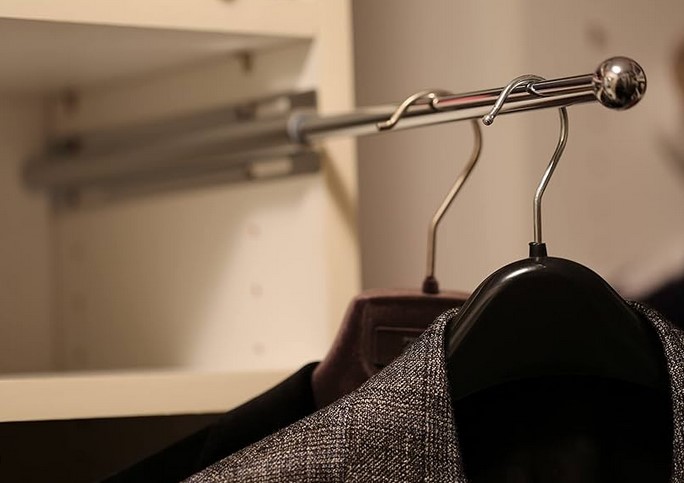
Think of a closet valet rod as the retractable landing gear of your organization system. It is a sleek, telescopic metal bar mounted either to the side of a cabinet partition or underneath a shelf. When you need it, you pull it out; when you don’t, it slides back, disappearing into the architecture of your closet.

In technical terms, these are typically constructed from heavy-duty steel or aluminum, ranging from 7 to 14 inches in length. I often tell my clients that if the main hanging rod is the “warehouse,” the valet rod is the “loading dock.” It provides a temporary, high-visibility spot to hang garments without disrupting the rest of your inventory.

I remember a project in a historic downtown brownstone where the closet was barely three feet wide. By installing two staggered valet rods, we didn’t just add hanging space; we added a functional workflow that allowed the owner to prep his entire work week in a space that previously couldn’t fit a laundry basket.


The Logistics of Morning Efficiency: Why You Need a Staging Area

The primary reason most closets fail isn’t a lack of space; it’s a lack of logistics. Without a valet rod, your bed or your door frame becomes the de facto staging area. This leads to wrinkles, dust, and mental clutter.

Streamlining the Outfit Selection

When you use a closet valet rod, you are practicing “visual curation.” You can pull out a blazer, hang it on the valet, and then hold up various shirts and ties next to it. This hands-free comparison is vital for ensuring your colors and textures coordinate under your closet’s specific lighting.

Steaming and Maintenance

If you use a handheld steamer, a valet rod is your best friend. In my experience, trying to steam a shirt while it’s tucked between ten other items is an exercise in futility—you’ll end up dampening the rest of your wardrobe. Extending the valet rod gives you 360-degree access to the garment, allowing the steam to pass through the fibers and dissipate naturally.

The “Dry Cleaners” Transition

We’ve all been there: you come home with five suits from the dry cleaners, all wrapped in thin plastic and wire hangers. Instead of fighting to shove them into the rack immediately, you hang them on the valet rod. You can then remove the plastic and swap the wire hangers for cedar or padded ones one by one, maintaining the integrity of your clothing.


Technical Specifications: Choosing the Right Hardware

Not all rods are created equal. In a decade of home improvement, I’ve replaced dozens of flimsy, sagging rods that were installed by DIYers who didn’t account for weight distribution.

  • Load Capacity: Look for a valet rod with a weight rating of at least 25 to 50 lbs. While a single shirt is light, a heavy winter overcoat or a fully loaded garment bag can easily stress a low-quality slide mechanism.

  • Slide Mechanism: High-end models use ball-bearing slides. This is the same technology used in high-quality kitchen drawers. It ensures that the rod glides out smoothly even under a heavy load.

  • Finishes and Aesthetics: Match your hardware. If your closet has brushed nickel handles, don’t install a polished chrome valet rod. Common finishes include Oil Rubbed Bronze, Satin Chrome, and Polished Brass.

  • Mounting Type:

    • Side Mount: Best for traditional built-in closets with vertical partitions.

    • Top Mount (Under-shelf): Ideal for wire shelving systems or when side space is restricted.


Installation 101: A Pro’s Guide to Placement

The biggest mistake beginners make is mounting the closet valet rod too high or too low. Here is my “Goldilocks” rule for placement.

The Eye-Level Rule: Mount the rod at approximately 60 to 65 inches from the floor. This allows you to hang a full-length dress or a long coat without the hem touching the ground, while keeping the hanger hook at a natural reach for your arm.

The Clearance Factor: Ensure that when the rod is fully extended, it doesn’t hit a swinging door or block a walkway. You want it to be a tool of convenience, not an obstacle.

If you are mounting into particle board (common in many modular closet systems), do not just use the screws that come in the box. I always recommend using a small dab of wood glue in the screw holes or using specialized “Euro-screws” to ensure the weight of a heavy leather jacket doesn’t rip the rod out of the wall.


Pro Tips for Wardrobe Management

The Evening Prep Hack:

Instead of rushing in the morning, use the valet rod every night at 8:00 PM. Assemble your entire look—socks and belt included (often hung in a small mesh bag on the same hanger). This small habit reduces “decision fatigue” in the morning, leaving your brain fresh for more important tasks.

The “In-Between” Hang:

Sometimes a sweater or a pair of jeans isn’t “dirty” enough for the laundry, but you don’t want to put it back with your crisp, clean clothes. Use the valet rod to let these items air out for a few hours before deciding where they belong.

The Packing Assistant:

When prepping for a business trip, the valet rod acts as your “final edit” station. Hang the items you intend to pack. If they don’t fit on the 10-inch rod, you are likely over-packing for your suitcase. It provides a physical limit to your choices.


What to Avoid

Avoid “Over-Extending”:

Never leave a valet rod fully extended for weeks at a time with heavy weight on it. Even the best steel will eventually suffer from “memory sag.” Slide it back in when not in use to preserve the tension in the mounting screws.

The Wire Hanger Trap:

Never use cheap wire hangers on a high-quality valet rod. The metal-on-metal friction can scratch the finish of your rod over time. Use plastic, wood, or velvet-flocked hangers to keep the hardware looking pristine.


Conclusion: Small Investment, Massive Return

In the world of home improvement, we often focus on the big-ticket items—granite countertops, hardwood floors, or smart lighting. But true luxury is often found in the “logistics” of your daily life. A closet valet rod is a low-cost, high-impact upgrade that transforms your closet from a storage unit into a personal dressing suite.

By creating a dedicated space for staging, steaming, and selecting your attire, you aren’t just organizing your clothes—you’re organizing your time.

Are you ready to stop fighting your closet and start using it like a pro? Take a look at your current setup. Do you have a “dead zone” on the side of a cabinet where a valet rod could fit? Tell me about your closet challenges in the comments below, or share your favorite hack for keeping your morning routine seamless!

Strategic Storage Management: Maximizing Capacity with the Closet Rod System

You open your closet doors Monday morning, and instead of a streamlined selection of outfits, you’re met with a fabric landslide. A shirt is wedged so tightly between two coats that it looks like it’s been through a vacuum sealer, and the rod itself is bowing ominously in the middle like a bridge under too much stress. If this sounds familiar, you aren’t just messy—you’re likely dealing with a failure in “closet physics.”

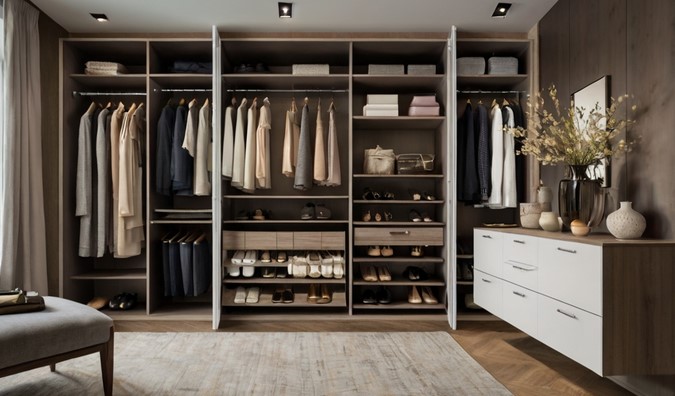
In my ten years of renovating homes and optimizing tight urban spaces, I’ve seen more collapsed closet rod setups than I care to count. Most people treat their closet rod as a simple “set it and forget it” utility. In reality, the closet rod is the structural spine of your entire storage ecosystem. When you master the rod system, you don’t just find a place for your clothes; you effectively double your usable square footage without moving a single wall.


The Hidden Mechanics of a High-Performance Closet Rod

When I walk into a client’s home, the first thing I check isn’t the color of the shelving; it’s the diameter and material of the closet rod. Think of your closet rod as the suspension bridge of your wardrobe. If the “cables” (brackets) and the “deck” (the rod itself) aren’t synced, the whole system is destined for a catastrophic failure.

Most builder-grade closets come with thin, hollow steel or—heaven forbid—flimsy wood rods that are too long for their own good. For a beginner, the most important technical data point to remember is the deflection rate. This is how much the rod bends under weight. A standard 1-inch steel rod will start to show visible stress at about 48 inches of length if it doesn’t have a center support.

To maximize capacity, you need to transition from “hanging space” to “zonal management.” This starts with selecting a heavy-duty chrome or stainless steel closet rod with a wall thickness of at least 2mm. This isn’t just for looks; it’s about ensuring that your winter coats don’t end up in a heap on the floor at 3 AM.


Strategic Height: The “Double Hang” Revolution

The biggest mistake I see intermediate DIYers make is mounting their closet rod at a single “standard” height. Usually, this is around 65 to 70 inches from the floor. This leaves a massive “dead zone” underneath where shoes pile up in a chaotic mountain.

If you want to maximize capacity, you must embrace the Double Hang System. Here is how we break it down:

  • Top Rod (High Zone): Mount this at approximately 80–84 inches. This is for out-of-season items or shorter pieces like folded trousers and shirts.

  • Bottom Rod (Active Zone): Mount this at 38–42 inches. This creates a second tier of storage for skirts, folded jeans, and tops.

By using this vertical stacking method, you are effectively taking a 5-foot wide closet and turning it into 10 feet of linear hanging space. It’s like building a skyscraper instead of a ranch-style house; when you can’t go wider, you must go higher.


Material Matters: Wood vs. Metal vs. Oval

Choosing the right closet rod material is where the data meets the aesthetic. In my experience, each material serves a specific “weight class” of clothing.

1. The Classic Round Steel Rod

This is the workhorse of the industry. I recommend a chrome-plated finish because it allows hangers to slide with minimal friction. If you’ve ever had to “tug” a hanger across a painted wooden rod, you know how frustrating that resistance can be.

2. The Professional Oval Rod

If you look inside high-end custom boutiques, you’ll notice they rarely use round rods. They use oval closet rods. Why? Because the vertical orientation of an oval rod offers much higher resistance to bending (deflection) than a round rod of the same weight. It also provides a slimmer profile, which looks incredibly sleek.

3. The Traditional Hardwood Rod

Wood is beautiful but temperamental. If you insist on wood, you must use a diameter of at least 1-3/8 inches and stick to hardwoods like Oak or Maple. Avoid Pine; it’s too soft and will sag faster than a cheap mattress under a heavy load.


The Pro’s Secret: Support and Anchoring

A closet rod is only as strong as the wall it’s attached to. I’ve seen DIYers use high-end brass rods only to secure them into 1/2-inch drywall with plastic anchors. This is a recipe for disaster.

The “Expert Advice” here is simple: Always find the studs. A standard shirt weighs about 0.5 lbs, but a heavy wool coat can weigh 5 lbs. Over a 4-foot span, that weight adds up quickly.

  • Stud Alignment: Use a stud finder to ensure your end brackets are screwed directly into the wooden framing behind the drywall.

  • The 3-Foot Rule: If your closet rod span exceeds 36 inches, you must install a center support bracket. This prevents the “smile” effect (the rod sagging in the middle), which eventually pulls the end brackets out of the wall.


Organizing for Capacity: The “Breathe” Technique

Once your hardware is locked in, how you utilize the closet rod determines your daily stress levels. I teach my clients the “One-Finger Rule.” You should be able to slide a single finger easily between every garment on the rod.

If your clothes are packed so tight you have to use force to find a shirt, you aren’t just disorganized—you’re damaging your clothes. Tight packing prevents airflow, which leads to wrinkles and, in some climates, a musty odor or even mildew.

Maximize space by categorizing by length:

  1. Long Hang: One section for dresses and long coats.

  2. Medium Hang: A section for trousers (hung by the cuff).

  3. Short Hang: Two tiers for shirts and jackets.

By grouping by length, you clear up floor space under the “Short Hang” sections for modular drawers or shoe racks, creating a fully integrated system.


Pro Tip: The Hanger Factor

Never underestimate the power of the hanger. Throw away your mismatched plastic and wire hangers. Switch to slimline velvet hangers. They have a tiny footprint compared to bulky plastic ones, allowing you to fit up to 30% more clothing on the exact same closet rod. Plus, the friction keeps silky tops from sliding off into the “closet abyss.”


Common Pitfalls to Avoid

Even with the best closet rod, a few hidden dangers can ruin your project.

  • Over-Extending Telescoping Rods: Many hardware stores sell “adjustable” rods that slide out. These are convenient but inherently weak at the joint. If you use one, ensure the overlap is at least 6 inches, and always place a support bracket directly at the junction point.

  • Ignoring the “Return” Space: Don’t run your rod all the way into a deep corner where you can’t reach the clothes. Stop the rod 12 inches short of a deep corner and use that space for shelving or hooks for bags.

  • Incorrect Bracket Height: Ensure your brackets are perfectly level. A rod that is even 1/2 inch off-level will cause all your hangers to migrate toward the lower end, creating a bunched-up mess.


Conclusion: Take Back Your Space

Redesigning your storage with a strategic closet rod system isn’t just a home improvement project; it’s a lifestyle upgrade. When your clothes are visible, accessible, and properly supported, your mornings become faster and your wardrobe lasts longer.

Remember, the goal isn’t just to “fit more stuff.” The goal is to create a system where your items are treated with respect and your space works for you, rather than against you. Start by measuring your current span and checking for that dreaded “sag.”

Ready to transform your closet? Start by auditing your current rod—is it bowing? Is it too low? Let me know in the comments what your biggest closet struggle is, or share a photo of your DIY rod upgrade! I’d love to help you troubleshoot your specific space.