
Source:https://cache.himalayaabadi.com
A client once handed me a blueprint for a high-end master suite renovation with a bold request: they wanted an open-concept bathroom featuring floor-to-ceiling glass walls, overlooking both the bedroom and a scenic outdoor garden. Their spouse, however, gave a resounding no, citing the complete lack of privacy and the nightmare of maintaining traditional blinds in a high-moisture environment.
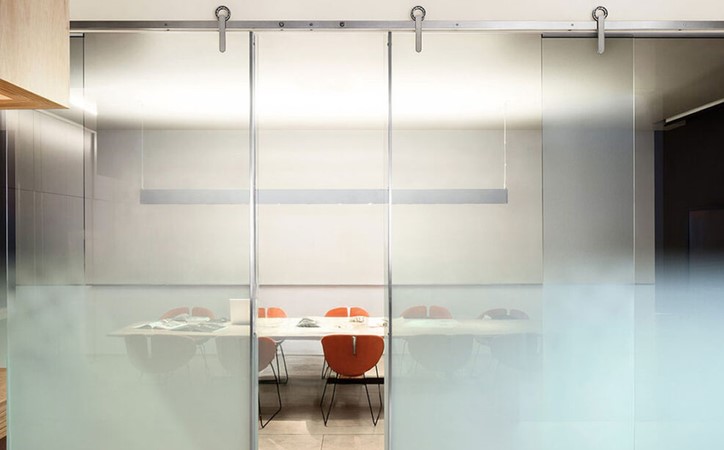
Instead of scrapping the vision, we specified factory-laminated, switchable privacy panels. When the couple moved back into their home, the space functioned as a sunlit, seamless architectural retreat that could transform into a completely opaque, private sanctuary with a single tap on a wall button.
That project highlighted a major shift in modern building design. Smart Glass—also known as switchable glass, dynamic glazing, or electrochromic glass—is no longer just a futuristic gadget seen in sci-fi films or tech headquarters. It has matured into a versatile, high-value asset for residential and commercial spaces alike.
Here is an insider’s guide to understanding the engineering, strategic benefits, and real-world installation of this game-changing material.
The Physics of Dynamic Glazing: How Smart Glass Works
To grasp how Smart Glass toggles between transparent and opaque in a fraction of a second, imagine a stadium filled with thousands of spectators holding reflective signs.
When no electrical current is applied, those spectators face every which way. Light hitting the glass bounces off in thousands of random directions—a process called light scattering—making the panel look frosted and completely opaque.
OFF STATE (No Voltage Applied)
Light Rays --->  \  /  |  \  /  ---> Scattered Light (Frosted / Opaque)
                 [Random Liquid Crystal / Electrochromic Matrix]

ON STATE (Electric Current Active)
Light Rays --->  |  |  |  |  |  ---> Parallel Light Passage (100% Clear)
                 [Aligned Molecules / Ions]
The moment an electric current flows through the conductive layer (typically Indium Tin Oxide or ITO), the molecules or charged ions line up uniformly, like soldiers standing in neat formation. The light passes straight through without scattering, rendering the glass completely clear.
Choosing the Right Technology: PDLC vs. Electrochromic vs. SPD
Not all switchable glazing is built the same way. Over my decade in home improvement, choosing the wrong underlying technology for a specific environment is the number-one reason projects underperform.
| Technology Type | Primary Mechanism | Best Use Case | Key Advantage |
| PDLC (Polymer Dispersed Liquid Crystal) | Toggles between frosted and clear instantly | Interior partitions, bathroom walls, conference rooms | Instant privacy on demand |
| Electrochromic (EC) | Tint levels change gradually (Clear to Dark Blue) | Exterior windows, curtain walls, skylights | Active solar heat gain reduction |
| SPD (Suspended Particle Device) | Darkens quickly under variable voltage control | Exterior windows, sunrooms, luxury automotive glass | Precise light level dimming control |
If your goal is visual privacy inside a room, PDLC-based Smart Glass is the standard choice. If your goal is reducing solar heat gain and lowering HVAC energy bills on exterior walls, Electrochromic glazing is the superior solution.
The Strategic Value: Beyond Aesthetic Modernization
While the visual transformation is impressive, the true return on investment (ROI) comes from functional engineering benefits:
-
Drastic HVAC Energy Savings: Dynamic exterior glazing can block up to 90% of Infrared (IR) heat and over 99% of harmful Ultraviolet (UV) rays, cutting summer air conditioning costs significantly.
-
Elimination of Window Treatments: Dust-collecting blinds, bulky drapes, and mechanical shades are completely unnecessary, preserving clean architectural lines and reducing long-term maintenance.
-
Maximizing Natural Ambient Light: Unlike traditional dark tinting or heavy curtains, frosted PDLC panels still allow up to 80% of natural daylight to penetrate deep into living spaces while maintaining absolute visual privacy.
Field Installation Guide: Integration Protocol
Integrating Smart Glass involves both structural glazing techniques and low-voltage electrical work. Here is how my team executes a flawless installation on site.
1. Frame Preparation and Channel Sizing
Glazing channels must be sized generously to prevent pressure points on the laminated glass edges.
-
Ensure the aluminum or steel framing is perfectly square and plumb.
-
Line the interior channels with high-density EPDM setting blocks to cushion the glass.
-
Leave a designated wiring clearance channel at the head or jamb of the frame.
2. Low-Voltage Cable Routing
Every switchable panel requires electrical connectivity through busbars running along the panel edges.
-
Route low-voltage wire (typically 18/2 AWG stranded copper wire) from the glass frame channel to a concealed junction box.
-
Ensure wires pass through protective rubber grommets so sharp metal frame edges never slice the insulation.
-
Keep the step-down power transformer housed in an accessible, well-ventilated location (such as a utility closet or ceiling access hatch).
+-----------------------------------------------------------+
| [Power Transformer (48V-60V AC)]                          |
|         |                                                 |
|         +--> (Concealed 18/2 Wire Line in Wall)           |
|                     |                                     |
|                     v                                     |
|     +-------------------------------+                     |
|     | FRAME HEADER (Wiring Channel) |                     |
|     +-------------------------------+                     |
|     |                               |                     |
|     |       SMART GLASS PANEL       |                     |
|     |                               |                     |
+-----------------------------------------------------------+
3. Neutral-Cure Perimeter Sealing
Never use standard acidic silicone sealants around switchable panels. The acetic acid released during curing will react chemically with the internal conductive layers, causing permanent edge degradation and yellowing. Always use a high-grade neutral-cure structural silicone.
Pro Tips & Field Warnings for Success
Hidden Warning: Never wire factory-laminated Smart Glass directly into a standard 120V or 230V household wall outlet! Doing so will instantly scorch the internal conductive matrix and permanently destroy the panel. Always route power through a verified step-down transformer supplying the exact AC operating voltage (typically 48V to 60V AC) recommended by the manufacturer.
Keep these additional trade rules in mind:
-
Integrate with Smart Automation: Connect your power controller to smart home protocols like Zigbee, Z-Wave, or Matter to trigger privacy settings via wall keypads, mobile apps, or motion sensors.
-
Inspect the Busbars Before Installation: Inspect the copper busbars and lead connections along the glass edges for any damage before fitting the panel into the frame channels.
-
Plan for Power Outages: PDLC privacy glazing defaults to its frosted/opaque state when the power is OFF, making it inherently safe for private areas during power cuts.
Elevate Your Architectural Design
Modern building architecture is moving away from static, rigid walls in favor of dynamic environments that respond instantly to human needs. By incorporating Smart Glass into your home or commercial design, you combine functional privacy, daylighting, and energy efficiency into a single, sleek solution.
Are you considering integrating switchable glazing into your next renovation project, or do you have technical questions about framing and power setups? Drop your thoughts or project questions in the comments below—I’d be glad to share technical insights for your build!