
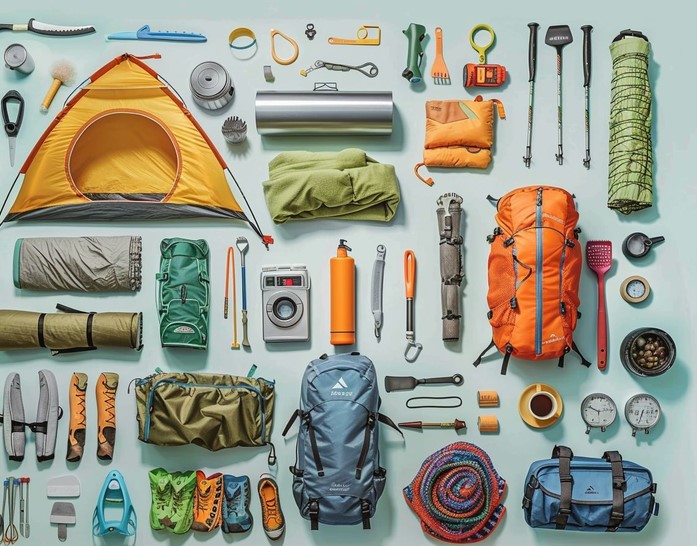
Source:https://theexpertcamper.co.uk
There is nothing quite like pulling into a remote campsite at sunset, only to open your trunk and realize your tent poles are tucked away somewhere in a unlabelled bin under three heavy coolers—or worse, that your down sleeping bag was stuffed into a damp garage corner six months ago and is now covered in mildew.
I learned this lesson the hard way during a early summer trip to the Pacific Northwest. A client and long-time friend invited me on a weekend trek, but when we went to retrieve his high-end sleeping gear from his unconditioned attic, we found that the extreme heat and trapped humidity had delaminated the waterproofing seam tape on his tent and ruined $800 worth of goose down insulation.
The trip was delayed by two days, and his gear was a total loss.
Over my 10+ years in home improvement and residential storage optimization, I have seen hundreds of homeowners treat thousands of dollars in outdoor equipment like disposable junk. Building a dedicated, climate-controlled, and modular system for camping gear storage isn’t just about organizing your garage—it’s about preserving technical fabrics, streamlining deployment, and protecting your financial investment.
The Physics of Gear Degradation: Why Random Storage Destroys Your Kit
To design a proper organization system, you must understand the four primary enemies of technical outdoor gear: UV radiation, ambient humidity, heat compression, and pest intrusion.
Think of your technical camping gear like delicate indoor electronics rather than outdoor patio furniture. High-performance tents, sleeping bags, and self-inflating pads rely on polyurethane coatings, breathable membranes, micro-loft insulation, and water-repellent DWR finishes.
When you stuff a damp nylon tent into a tight, airtight plastic bin and store it in a 120°F garage during July, you create a miniature greenhouse. The heat hydrolyzes the polyurethane coating, leaving it sticky, foul-smelling, and permanently compromised.
+--------------------------+-----------------------+-----------------------+-------------------------+
| Gear Category            | Storage Environment   | Recommended Container | Destruction Risk        |
+--------------------------+-----------------------+-----------------------+-------------------------+
| Down Sleeping Bags       | Climate-Controlled    | Breathable Cotton Bag | Compression / Loft Loss |
| Tents & Rainflies        | Cool, Dry, Ventilated | Loose Mesh / Hanging  | Hydrolysis / Seam Peeling|
| Stoves & Water Filters   | Dry, Dust-Free        | Gasketed Hard Tote    | Mold / O-Ring Failure   |
| Camp Kitchen & Utensils  | Sealed, Rodent-Proof  | Heavy-Duty Clear Bin  | Pest Contamination      |
+--------------------------+-----------------------+-----------------------+-------------------------+
Zone-Based Storage Architecture: The Modular Tote System
The most efficient way to scale your camping gear storage is to transition from chaotic pile management to a standardized Zone-Based Modular Tote System.
Instead of packing by item type (e.g., keeping all ropes in one place and all lights in another), organize your inventory into functional action totes using heavy-duty, color-coded, or labeled 12-gallon to 27-gallon plastic bins.
1. The Camp Kitchen Module (Bin 1)
House your dual-fuel stove, cookware, nested mess kits, biodegradable soap, and water purification units together. Ensure fuel canisters are removed and stored in a well-ventilated, cool area away from direct ignition sources.
2. The Sleep System & Shelter Zone (Bin 2 / Open Shelving)
Reserve this area for sleeping pads, ground tarps, stakes, and sleeping bag liners. Keep sleeping bags outside of tight compression sacks to preserve their loft.
3. The Illumination & Electronics Hub (Bin 3)
Keep headlamps, lanterns, power banks, and GPS units together in a dry, gasket-sealed container. Always remove lithium-ion and alkaline batteries before long-term seasonal storage to prevent catastrophic battery acid leaks.
Climate Control and Location Selection: Attic vs. Basement vs. Garage
Where you place your storage rack matters just as much as how you pack your bins.
-
Attics (The Danger Zone): Avoid storing technical gear in unconditioned attics at all costs. Temperature spikes easily exceed 120°F to 140°F (48°C to 60°C), melting seam tape, degrading synthetic rubber O-rings, and destroying waterproof coatings.
-
Unconditioned Basements (The Mold Hazard): Damp basements with relative humidity levels over 60% breed toxic mold and mildew inside canvas, nylon, and open-cell foam pads. If using a basement, run a dedicated dehumidifier set to 45%–50% RH.
-
Conditioned Garages or Closets (The Gold Standard): A dedicated closet inside your home or a climate-controlled garage floor using heavy-duty industrial wire rack shelving is the absolute ideal environment.
Step-by-Step Protocol for Off-Season Storage Prep
Never pack away gear directly from a trip without executing a thorough cleaning and drying routine. Following a systematic protocol extends the lifespan of your equipment tenfold.
Expert Advice: Pro Tips and Hidden Traps
⚠️ The Stored Battery Leak Trap
The most common way homeowners destroy expensive LED headlamps, camping lanterns, and water purifiers during winter storage is by leaving AAA or AA alkaline batteries inside them. Over several months, temperature swings cause alkaline batteries to corrode and rupture, leaking caustic potassium hydroxide that ruins delicate circuit boards! Always remove all batteries from devices before placing them into storage bins.
Water Filter Winter Prep
If you use hollow-fiber membrane water filters (like Sawyer or Katadyn units), never let them freeze after use! Trapped water inside microscopic fibers expands when frozen, cracking the internal membranes invisibly. During cold months, store water filters inside climate-controlled living spaces—never in an unheated garage or shed.
💡 Pro Tip from the Field
To keep pest infestations and musty odors out of your storage totes, drop two or three 100% cedar wood blocks or high-capacity silica gel desiccant packs inside each sealed gear bin. Cedar naturally repels moths, spiders, and silverfish without using toxic chemical mothballs, while desiccant packs absorb any residual ambient air moisture!
Master Your Outdoor Gear Setup
Treating your outdoor gear with the same engineering precision as your home’s structural elements pays massive dividends over time. By establishing a dedicated, climate-controlled, and modular camping gear storage system, you eliminate pre-trip packing chaos, safeguard thousands of dollars in technical equipment, and ensure your gear is always ready for your next outdoor escape.
How do you currently store and organize your camping equipment at home? Have you ever suffered the loss of a sleeping bag or tent due to attic heat or garage mold? Drop a comment below with your questions or share your favorite storage setups—I’d love to help you build a better gear room!